When most people hear “DWI,” they immediately think of alcohol. But in New York, you don’t need to be drinking to be arrested and charged with driving while intoxicated. Many DWI charges involve prescription medications—even those taken exactly as directed.
At O’Brien & Eggleston, our Albany criminal defense attorneys know how confusing and frightening it can be to face a criminal charge for following a doctor’s orders. If you’ve been charged with a drug-related DWI, we’re here to help you understand your rights, protect your future, and build a strong defense.
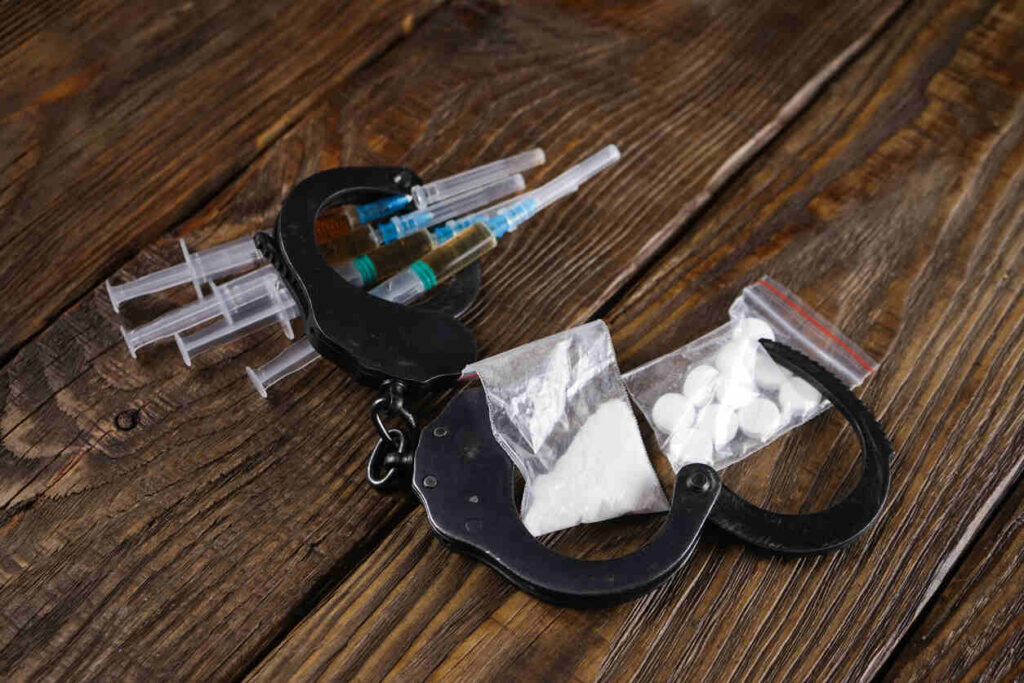
New York’s DWI Laws Cover More Than Just Alcohol
Under New York Vehicle and Traffic Law § 1192, drivers can be charged with DWI for operating a vehicle while impaired by drugs, including legal, prescribed medications. This offense is commonly referred to as DWAI-Drugs (Driving While Ability Impaired by Drugs) and is treated just as seriously as alcohol-related offenses.
A DWAI-Drugs charge can arise from:
- Prescription painkillers like oxycodone or hydrocodone.
- Anti-anxiety medications like Xanax or Valium.
- Sleep aids like Ambien.
- Antidepressants and antipsychotics.
- Any drug that may affect coordination, reaction time, or mental alertness.
Even if your medication is legally prescribed and used as directed, you can still be charged if law enforcement believes the drug impaired your ability to safely operate a vehicle.
What Law Enforcement Looks for in Drug-Impaired Driving
Police officers are trained to identify signs of impairment, whether caused by alcohol or other substances.
During a traffic stop or after an accident, they may look for:
- Slurred speech.
- Drowsiness or confusion.
- Delayed reaction time.
- Erratic driving behavior.
- Bloodshot eyes or lack of coordination.
If the officer suspects impairment and alcohol is ruled out by a breath test, they may request a blood or urine test and call in a Drug Recognition Expert (DRE) to conduct an evaluation. Their findings can play a major role in your prosecution, but they’re not always accurate or conclusive.
The Legal Consequences of a DWAI-Drugs Conviction
A first-time DWAI-Drugs conviction in New York is a misdemeanor and carries severe penalties.
They include:
- Up to 1 year in jail.
- Fines between $500 and $1,000.
- A minimum 6-month license suspension.
- Mandatory drug treatment programs or DMV assessments.
- A criminal record that can impact employment, professional licenses, and more.
- Repeat offenses or accidents involving injury can result in felony charges and even more severe consequences.
Why You Need an Experienced Albany DWI Defense Attorney
Drug-related DWI cases are complex and highly technical. They often hinge on scientific evidence, subjective observations, and how your body reacts to specific medications. At O’Brien & Eggleston, PLLC, we know how to challenge flawed drug recognition reports, question test results, and expose weak links in the prosecution’s case.
We believe your future should not be defined by a single moment, especially when you were acting in good faith. Our legal team will listen to your story, investigate every angle, and fight for the best possible outcome.
Contact us today to discuss your case. At O’Brien & Eggleston, PLLC, your defense starts with being heard—and ends with being protected.
Related Links: