In recent years, welfare fraud investigations have increased across New York. In communities throughout all five boroughs, many cases begin not with a tip or complaint, but with automated systems designed to detect potential discrepancies in public assistance programs.
State and local agencies now rely heavily on data analytics, cross-checking systems, and computerized alerts to identify potential fraud. While these tools can help detect intentional misconduct, they can also generate investigations based on incomplete data, administrative mistakes, or misunderstandings about reporting requirements.
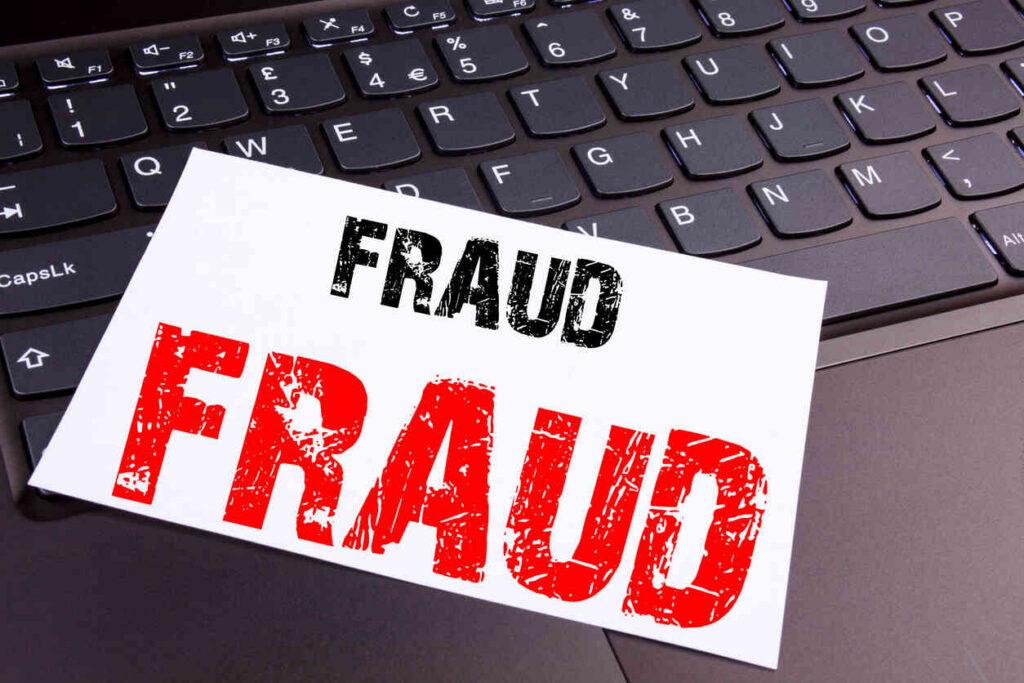
For individuals facing allegations in New York, understanding how these investigations begin is critical to building a defense.
How Welfare Fraud Investigations Often Begin
Many welfare fraud cases today originate from automated data matching systems used by government agencies. These systems compare information across multiple databases to detect inconsistencies between benefits received and reported income or household circumstances.
Agencies involved in these investigations may include:
When the systems detect a discrepancy, the case may be flagged for further review by investigators.
The Role of Data Matching and Cross-Agency Reporting
Modern welfare programs rely on extensive data sharing between agencies. Information about employment, income, and benefits is routinely compared through electronic databases.
For example, systems may cross-check:
- Wage records reported by employers.
- Unemployment insurance benefits.
- Social Security or disability payments.
- Child support payments.
- Bank account or asset information.
- Public assistance or housing benefits.
If the information does not appear consistent across databases, the system may generate a fraud alert even if the discrepancy has an innocent explanation.
How Computer Algorithms Flag Potential Fraud
Many investigations begin when automated algorithms identify patterns that appear inconsistent with eligibility requirements. These programs are designed to flag situations where benefits may have been issued incorrectly.
Examples of situations that may trigger an alert include:
- Income appearing in wage records that was not reported on benefit applications.
- Changes in household composition are reflected in other government records.
- Simultaneous benefits from multiple programs with overlapping eligibility rules.
- Employment beginning before an agency’s records reflect the change.
These alerts do not prove fraud. They trigger an investigation to determine whether the discrepancy reflects intentional misconduct or an administrative issue.
Common Causes of False or Misleading Fraud Allegations
Although data analytics systems are designed to detect potential fraud, they are not always accurate. Many welfare fraud investigations begin because of simple reporting misunderstandings or agency errors.
Common causes of false allegations may include:
- Delays in updating income information across different databases.
- Employers reporting wages under slightly different identifying information.
- Temporary or part-time employment that was misunderstood or misreported.
- Benefits continue briefly after a recipient has attempted to notify the agency of a change.
- Household composition errors in agency records.
In some cases, recipients believe they properly reported information but discover later that the agency’s system did not record the update correctly.
The Consequences of Welfare Fraud Allegations
When a case is flagged for potential fraud, investigators may conduct interviews, request documentation, or review financial records. If prosecutors believe intentional misrepresentation occurred, criminal charges may follow.
Depending on the amount of alleged overpayment, a welfare fraud case may result in:
- Misdemeanor or felony charges.
- Restitution for alleged overpayments.
- Fines or probation.
- Potential incarceration in more serious cases.
- Disqualification from certain benefit programs.
Even when the issue began as a reporting mistake, the legal consequences can be significant if prosecutors pursue criminal charges.
Why Early Legal Representation Is Important
Because many welfare fraud investigations begin through automated systems rather than direct evidence, these cases often involve complex questions about data interpretation and agency procedures.
Early legal representation allows defense counsel to:
- Review how the investigation began.
- Identify data discrepancies or reporting errors.
- Examine whether agency systems misinterpreted income or eligibility information.
- Challenge the accuracy of alleged overpayment calculations.
- Protect the client’s rights during interviews or investigative requests.
Understanding how these systems work can be critical in identifying weaknesses in the prosecution’s case.
Speak With Our New York Criminal Defense Attorneys Today
If you are being investigated for welfare fraud in New York, it is important to seek legal advice before responding to investigators or providing documentation.
Contact O’Brien & Eggleston PLLC today to schedule a confidential consultation. Our New York criminal defense attorneys can review your situation, explain how these investigations work, and develop a strategy to protect your rights and your future.
Relates Blogs