In Broome County, many drug cases do not begin with a search warrant or a long-term investigation. They begin with a routine traffic stop. A broken taillight, an alleged failure to signal, or a claim of speeding can quickly escalate into a vehicle search and, ultimately, felony drug charges.
For defendants in Binghamton, one of the most important questions is often the first one: Why were you stopped in the first place? The legality of the initial stop can determine whether any evidence discovered afterward can be used in court.
Understanding how traffic stops lead to drug arrests — and how those stops are challenged — is critical to building a strong defense.
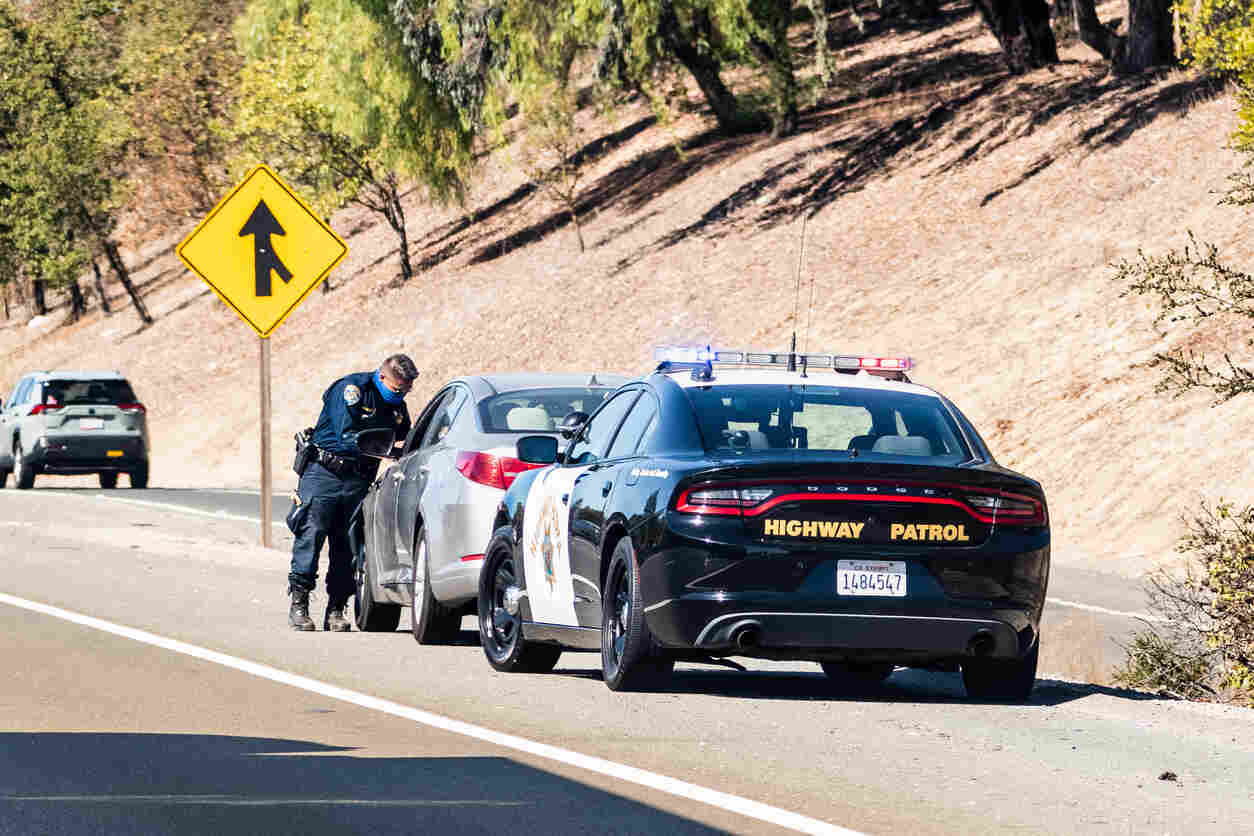
How Routine Traffic Stops Turn Into Drug Arrests
Police officers are permitted to stop a vehicle when they observe a traffic violation or have reasonable suspicion that a violation has occurred. In many cases, however, the traffic issue is only the beginning.
Once a stop is made, officers may:
- Ask questions unrelated to the traffic violation.
- Request consent to search the vehicle.
- Call for a K-9 unit.
- Observe the interior of the vehicle for contraband.
- Claim to detect substance odors.
- Question passengers separately.
What begins as a minor infraction can quickly shift into a drug investigation. If controlled substances are discovered, the driver and sometimes passengers may face serious criminal charges.
Why the Legal Basis for the Stop Is So Important
Under both the U.S. Constitution and New York law, a traffic stop must be legally justified. If an officer did not have a valid reason to initiate the stop, any evidence found afterward may be suppressed.
This principle is known as the “fruit of the poisonous tree” doctrine. If the initial stop was unlawful, the search and seizure that followed may also be unlawful.
Common issues that arise in Binghamton traffic stop cases include:
- Stops based on vague or unverified claims.
- Dash camera footage that contradicts the officer’s explanation.
- Stops that appear pretextual or unsupported by actual violations.
- Lack of clear probable cause to expand the stop into a search.
Even when drugs are found, the legality of how police obtained that evidence is often the central issue in the case.
When Police Extend a Traffic Stop
An officer may stop a vehicle for a traffic violation, but the scope and duration of that stop are limited. Police cannot extend a stop indefinitely without additional reasonable suspicion of criminal activity.
In many drug cases, defense attorneys examine whether:
- The officer prolonged the stop without justification.
- A K-9 unit was called without reasonable suspicion.
- The driver was detained longer than necessary to address the traffic violation.
- The search occurred without valid consent or probable cause.
If a stop was improperly extended, the resulting evidence may be challenged in court.
Consent Searches and Pressure During Stops
Many drug arrests result from consent searches. Officers may ask, “Do you mind if I take a look in your vehicle?” Drivers often feel pressured to agree, even when they are unsure of their rights.
However, consent must be voluntary. If it was obtained through intimidation, coercion, or misleading statements, it may not be legally valid.
Factors that courts examine include:
- Whether the driver was informed of the right to refuse.
- The tone and conduct of the officer.
- Whether multiple officers were present.
- Whether the driver felt free to leave.
A consent search that appears voluntary on paper may not withstand legal scrutiny upon close examination.
Passengers and Constructive Possession
Drug charges arising from a traffic stop affect not only the driver. Passengers can also be charged under a theory of constructive possession.
Prosecutors may argue that everyone in the vehicle had knowledge and control over the substance. However, presence alone is not enough to establish guilt.
Defense strategies often focus on:
- Lack of ownership or control over the area where drugs were found.
- Absence of fingerprints or personal belongings near the substance.
- Statements or conduct inconsistent with possession.
- Inconsistent accounts from law enforcement.
Each individual’s role must be analyzed separately.
Suppression Hearings and Challenging the Evidence
In New York drug cases arising from traffic stops, suppression hearings are often critical. At these hearings, the court evaluates whether the stop, detention, and search were lawful.
Our defense approach may include:
- Reviewing body camera and dash camera footage.
- Cross-examining officers about the reason for the stop.
- Challenging inconsistencies in police reports.
- Arguing that the stop was unlawfully prolonged.
- Seeking suppression of any evidence obtained illegally.
If key evidence is suppressed, prosecutors may be forced to reduce or dismiss charges.
Why Early Legal Representation Matters
Many defendants unintentionally strengthen the prosecution’s case by speaking during the traffic stop or after arrest. Statements made at the roadside may later be used to establish knowledge, ownership, or intent.
Early legal representation allows our attorneys to:
- Preserve video evidence before it is lost or overwritten.
- Evaluate the legality of the stop immediately.
- Prevent damaging statements during follow-up interviews.
- Develop a strategy focused on suppression and charge reduction.
In traffic-stop drug cases, the initial decision often determines everything that follows.
Speak With Our Binghamton Criminal Defense Attorneys Today
If you were arrested on drug charges after a traffic stop in Binghamton or elsewhere in Broome County, the reason for the stop may be the most important issue in your case.
Contact O’Brien & Eggleston PLLC today to schedule a confidential consultation. Our New York criminal defense attorneys will carefully examine the legality of the stop, challenge improper searches, and work to protect your rights and your future.
Related Blogs