
The Biggest Mistakes People Make After an Arrest in New York
An arrest in New York is overwhelming. Whether it happens in Albany, Binghamton, or elsewhere in the Capital Region, the hours and days immediately following an arrest often shape the...



Many people are surprised to learn that menacing and harassment charges, while often classified as misdemeanors or violations in New York, can carry serious legal and personal consequences. These cases are frequently dismissed as “minor” offenses, but that perception is misleading. For defendants in Binghamton and throughout Broome County, allegations of threatening behavior or unwanted contact can quickly escalate into lasting legal problems if not handled carefully.
Understanding how these charges work, what the prosecution must prove, and why early defense matters is critical for anyone facing these allegations.
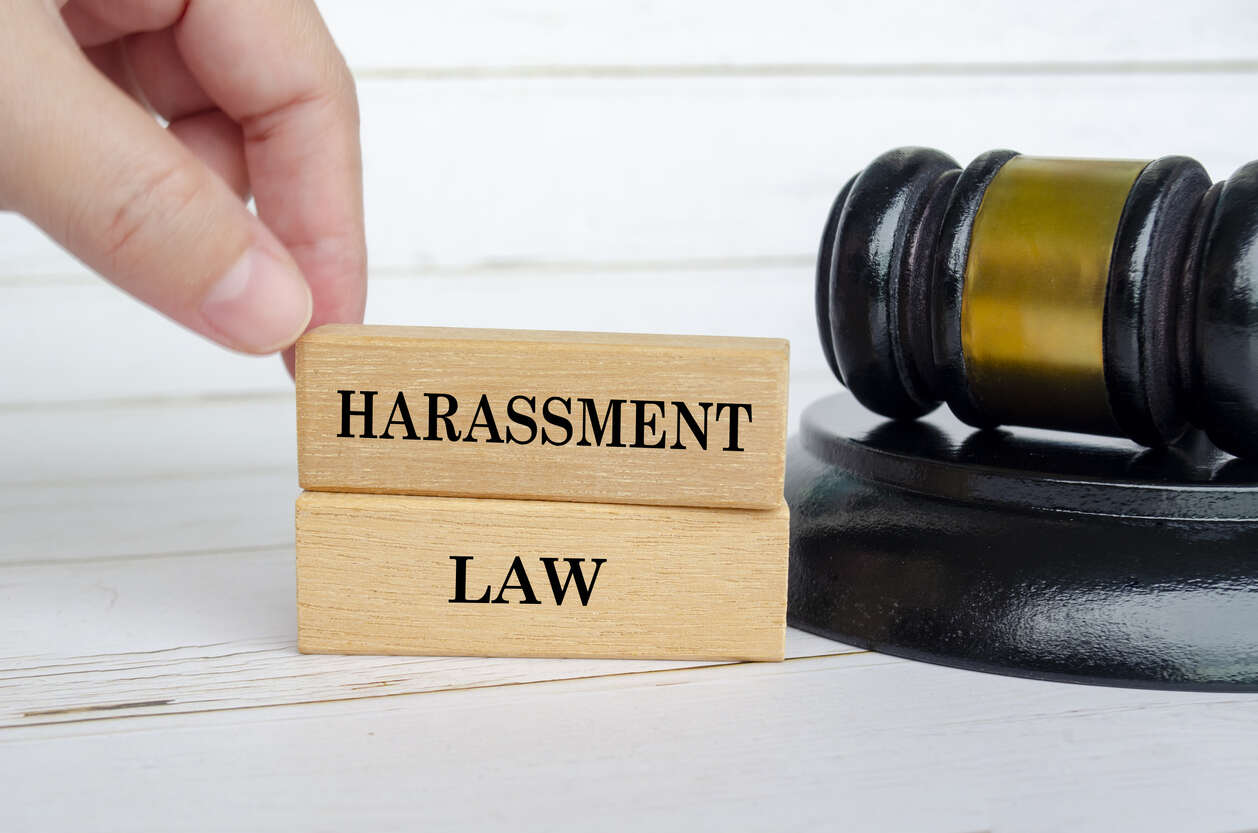
New York law defines both offenses broadly, allowing police and prosecutors significant discretion in their application.
Menacing generally involves placing another person in reasonable fear of physical injury or death. This can occur through physical actions, verbal threats, or the display of a weapon or object perceived as a weapon.
Harassment typically involves repeated or intentional conduct that annoys, alarms, or seriously inconveniences another person. This may include physical contact, threats, or ongoing communication.
These cases often arise from:
What begins as a heated interaction can quickly become a criminal charge once law enforcement is involved.
Although menacing and harassment may not carry the same penalties as felony offenses, the consequences can be significant.
A conviction can result in:
In addition, these charges often appear alongside or lead to more serious allegations, particularly in domestic violence contexts. Even a single incident can affect future custody, housing, and employment opportunities.
In many menacing and harassment cases, courts issue temporary orders of protection at the defendant’s first appearance.
These orders may require the defendant to:
Violating a protective order is a separate criminal offense and often carries more severe penalties than the underlying charge. Defendants must take these restrictions seriously, even if the complainant requests contact.
These cases frequently involve conflicting accounts and limited physical evidence. Effective defense strategies depend on careful review of the facts and how the incident was reported.
Potential defenses may include:
Body camera footage, witness statements, text messages, and prior history between the parties often play a significant role in evaluating these cases.
Statements made to police, even informal explanations, can be used against a defendant. Many menacing and harassment cases become more difficult to defend because defendants attempt to “explain what happened” before speaking with an attorney.
Early representation allows counsel to:
Waiting to address these cases increases the risk of unnecessary criminal exposure.
At O’Brien & Eggleston PLLC, our Binghamton-area criminal defense attorneys understand how quickly these cases can escalate and how damaging even “low-level” charges can be.
We work to:
If you have been charged with menacing or harassment in Binghamton, do not assume the case will go away. The decisions you make early can shape the outcome.
If you are facing menacing or harassment charges in Broome County, you deserve experienced legal guidance from the start.
Contact O’Brien & Eggleston PLLC today to schedule a confidential consultation. Our New York criminal defense attorneys are ready to protect your rights and your future.
An arrest in New York is overwhelming. Whether it happens in Albany, Binghamton, or elsewhere in the Capital Region, the hours and days immediately following…
Video evidence plays an increasingly central role in criminal prosecutions across New York. In Albany County and surrounding areas, cases often involve surveillance footage, body-worn…
In New York, a drug charge is never evaluated in isolation. While the substance, quantity, and surrounding circumstances matter, a defendant’s criminal history can significantly…
The information on this website is for general information purposes only. Nothing on this site should be taken as legal advice for any individual case or situation. This information is not intended to create, and receipt or viewing does not constitute, an attorney-client relationship.
© 2026 All Rights Reserved.