Being charged with a crime is severe enough. Still, when a restraining order (also known as an order of protection) is issued against you in Binghamton or anywhere in New York, your situation can quickly become more complicated. What starts as a domestic dispute, harassment allegation, or family conflict can escalate into criminal consequences with long-term impact.
At O’Brien & Eggleston, our Broome County criminal defense attorneys represent individuals across New York who are facing not just criminal charges, but also the restrictive and far-reaching consequences of protective orders. If you’re navigating both, you need a legal team that understands how one can worsen the other, and how to protect your rights at every step.
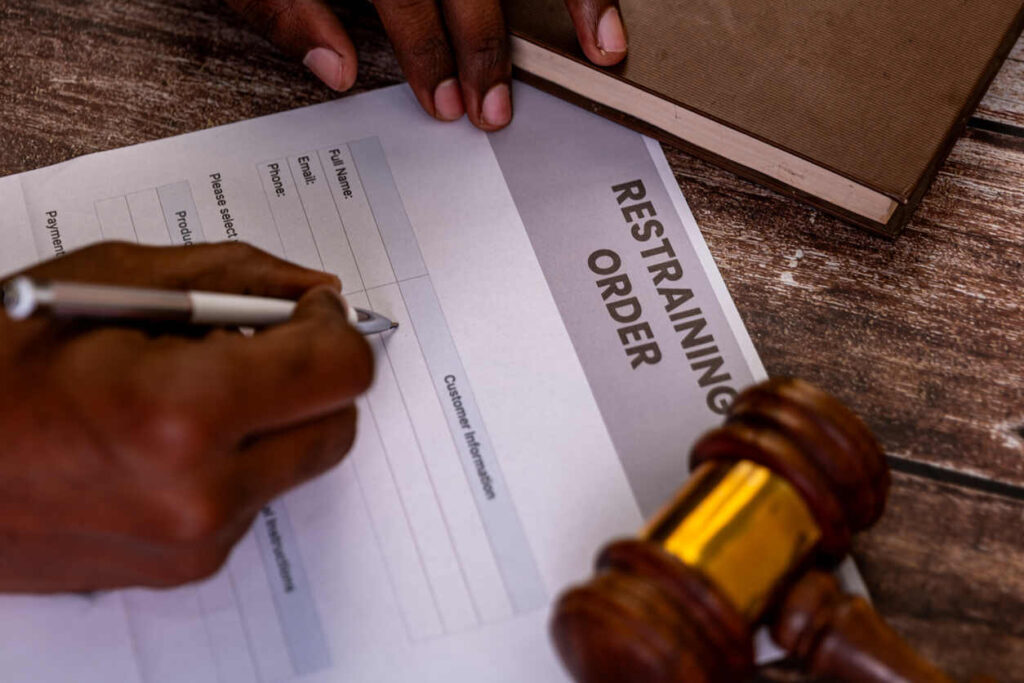
What Is a Restraining Order in New York?
In New York, courts issue orders of protection to limit contact between individuals when one party claims to feel threatened, abused, or harassed by another. These orders are common in domestic violence cases, but they can also be issued in cases involving stalking, threats, or other criminal charges.
There are two main types:
- Temporary Orders of Protection: Issued before a full hearing takes place—often immediately after an arrest.
- Final Orders of Protection: Issued after a court hearing and typically remain in place for up to 2 years (or longer in severe cases).
These orders can prohibit any contact with the protected person, restrict where you can go (such as your own home), and even limit access to your children.
How Protective Orders Can Escalate Criminal Cases
The issuance of a restraining order alone does not mean you’ve been found guilty, but violating one is a crime, and it can escalate your case dramatically.
Here’s how:
- Violations are new criminal charges:Even a single text, social media message, or third-party communication can lead to a new misdemeanor or felony charge, depending on the circumstances.
- They complicate plea negotiations: Prosecutors may be less willing to offer favorable deals if an order has been violated or if multiple orders are involved.
- They influence how you’re perceived: A judge or jury may view you more negatively if a protective order is in place, even before the facts are thoroughly examined.
- They can affect custody or housing rights: In domestic cases, an order of protection can result in the temporary or permanent loss of child custody or access to your home.
A protective order is not just a side issue—it can reshape the entire trajectory of your case.
What You Should Do If You’re Facing Both
If you’ve been served with an order of protection alongside criminal charges, it’s essential that you:
- Do not contact the protected party in any way.
- Avoid visiting prohibited areas or using social media to comment on the case.
- Keep detailed records of interactions with law enforcement or the court.
- Speak to an experienced criminal defense attorney immediately.
At O’Brien & Eggleston, PLLC, we assist clients in Binghamton and throughout New York in navigating the dual threats of criminal charges and protective orders. We’ll examine how the order was issued, whether it was legally justified, and whether it’s being misused to manipulate a criminal case.
Your Defense Starts With One Call
If a restraining order is complicating your criminal case, don’t try to handle it alone. We’re here to guide you through the process and fight for the best possible outcome.
Contact us today to discuss your case with our experienced New York criminal defense attorneys.